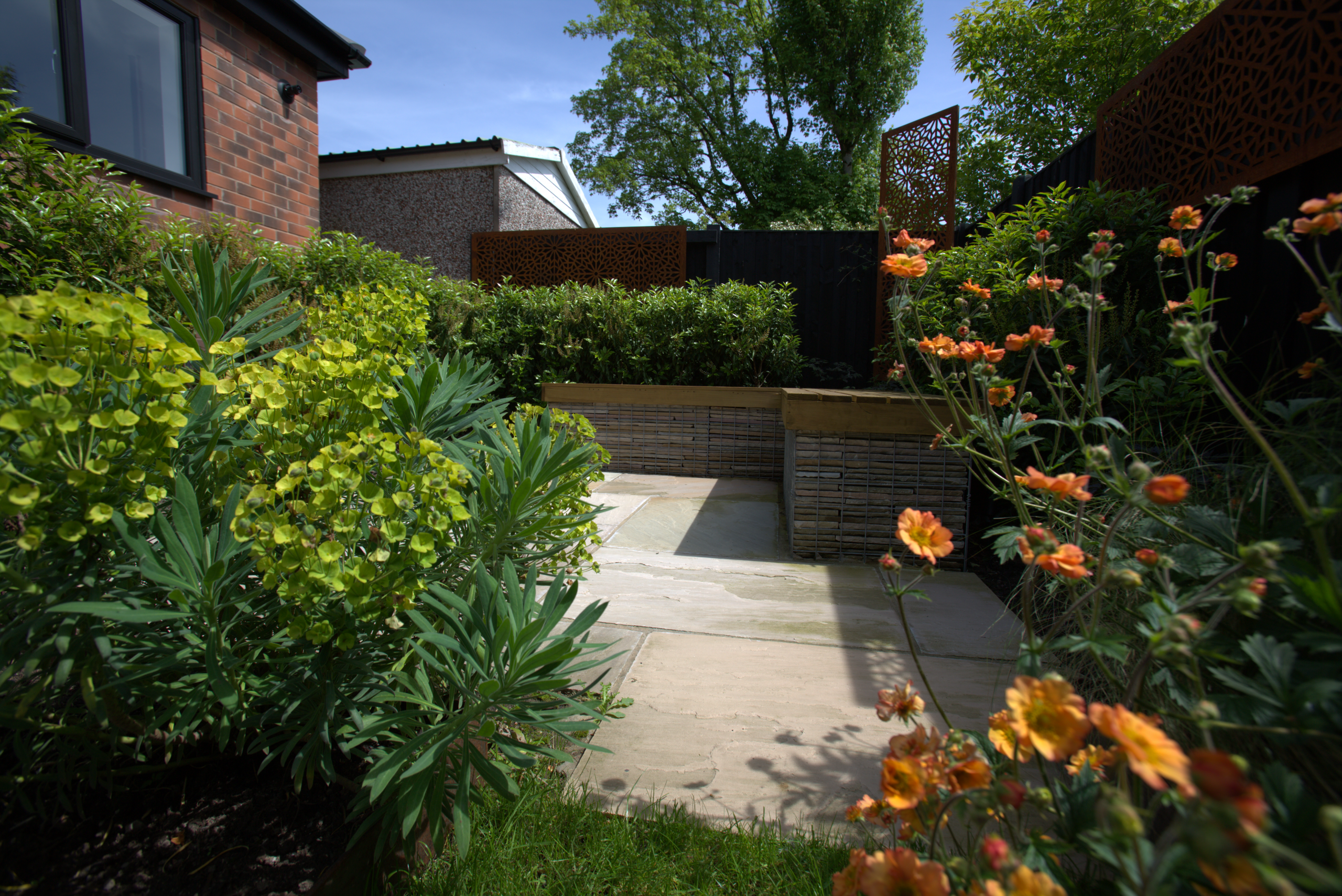
If you’re thinking about transforming your outdoor space, choosing the right garden designer can make a huge difference to the final result.
A well-designed garden isn’t just about paving, planting or installing a few new features. It’s about creating a space that feels balanced, functional and beautiful, and that complements both the house and the lifestyle of the people who live there.
Across Bolton, Manchester and the wider North West, more homeowners are beginning to recognise that the garden deserves the same level of thoughtful design as the interior of the home. Gardens are increasingly being seen as true outdoor living spaces — places for relaxing, entertaining, and spending time with family.
With more landscaping companies offering garden services than ever before, it can sometimes be difficult to know who is the right fit for your project.
If you’re planning a garden transformation, here are some important things worth looking for when choosing a garden designer.
Look for a Design-Led Approach
One of the most important things to understand is the difference between a construction-led landscaping service and a design-led garden transformation.
Some landscaping companies focus primarily on the physical build — installing patios, turfing lawns or building walls based on instructions from the client. For smaller jobs, this approach can work perfectly well.
However, when a project involves reshaping the entire garden, a design-led approach is usually far more effective.
Garden design looks at the space as a whole. It considers:
- How people move through the garden
- How different areas connect and flow together
- Where seating and entertaining spaces should sit
- How levels, steps and retaining walls are handled
- How planting softens the structure of the garden
- How the garden will feel throughout the seasons
When a garden is designed properly before construction begins, every element works together. The layout feels natural, materials complement each other, and the space feels calm and intentional rather than pieced together over time.
This design thinking is often what separates a good garden from a truly exceptional one.
Pay Attention to Materials and Craftsmanship
Another important indicator of a quality garden designer is the standard of materials and craftsmanship used in their projects.
A well-built garden should be designed to last for many years, which means using durable materials and installing them correctly.
Professional garden design and landscaping projects often include materials such as:
- Porcelain paving for clean contemporary patios
- Natural stone paving such as sandstone or Yorkstone
- Hardwood timber for decking or screening
- Steel edging and architectural metalwork
- Carefully planned planting schemes
The materials themselves are only part of the equation. Equally important is the quality of installation.
Proper construction methods typically include:
- Correct excavation depths
- Solid sub-base preparation
- Full mortar beds for paving
- Accurate levels and drainage
- Precise cutting and jointing
These details may not always be obvious when the garden is first completed, but they have a huge impact on how the space performs over time.
A garden built to a high standard will remain stable, attractive and functional for many years.
Look Carefully at Previous Projects
A company’s portfolio of past work is one of the clearest indicators of their design ability and craftsmanship.
Most reputable garden designers and landscaping companies will showcase their work on their website, social media platforms or portfolio galleries.
When reviewing previous projects, it’s helpful to look beyond just the headline features and pay attention to the overall quality of the space.
Some useful things to look for include:
- Consistency in the standard of work across multiple projects
- Clean lines and careful detailing in paving and construction
- Well-structured planting that complements the design
- Gardens that feel calm, balanced and thoughtfully composed
- Spaces that look enjoyable to spend time in
A well-designed garden often has a subtle sense of harmony where everything feels like it belongs together.
Rather than individual elements competing for attention, the space feels cohesive and well considered.
Communication and a Clear Process
Designing and building a garden is a collaborative process between the homeowner and the design team.
A professional garden designer should guide clients through the journey with a clear and structured process.
While every company works slightly differently, most high-quality design and build projects will follow stages such as:
- Initial consultation and site visit
- Concept design and layout planning
- 3D visualisations or design presentations
- Detailed technical drawings and specifications
- Construction planning and scheduling
The build phase and final planting
Having a structured approach helps ensure that the project runs smoothly from start to finish. It also gives clients confidence that each stage of the garden transformation has been properly thought through.
Clear communication is just as important. A good designer should take time to listen carefully, understand your ideas and explain how the design will evolve throughout the process.
Experience With Different Garden Styles
Another helpful factor when choosing a garden designer is their ability to work across different design styles.
Some gardens are highly contemporary, with porcelain paving, clean lines and architectural planting. Others are more traditional, with natural stone, cottage-style planting and softer shapes.
An experienced garden designer should be able to adapt their approach depending on the character of the property and the preferences of the client.
Rather than imposing a single style, the aim should always be to create a garden that feels authentic to the home and the people living there.
Finding the Right Fit
Ultimately, the best garden designer is someone who understands your vision and has the experience to bring it to life.
A good designer will listen carefully to how you want to use the garden and then develop ideas that transform the space into something both beautiful and practical.
When done well, a garden becomes a natural extension of the home — a place to relax on a summer evening, entertain friends, or simply enjoy being outdoors.
If you’re considering a garden transformation in Bolton, Greater Manchester or the surrounding areas, working with an experienced garden design and landscaping team can help turn those early ideas into a beautifully finished outdoor space that you can enjoy for many years to come.