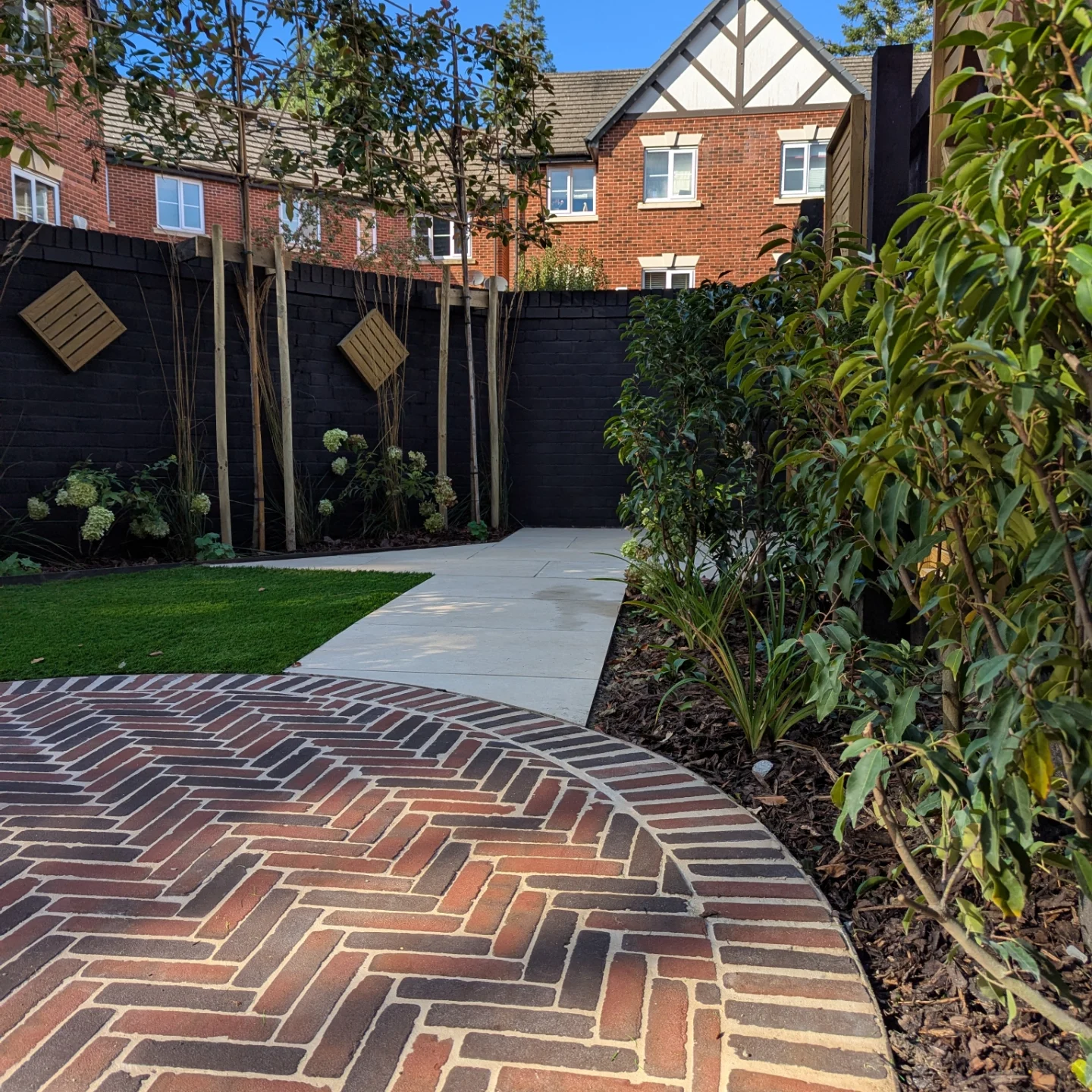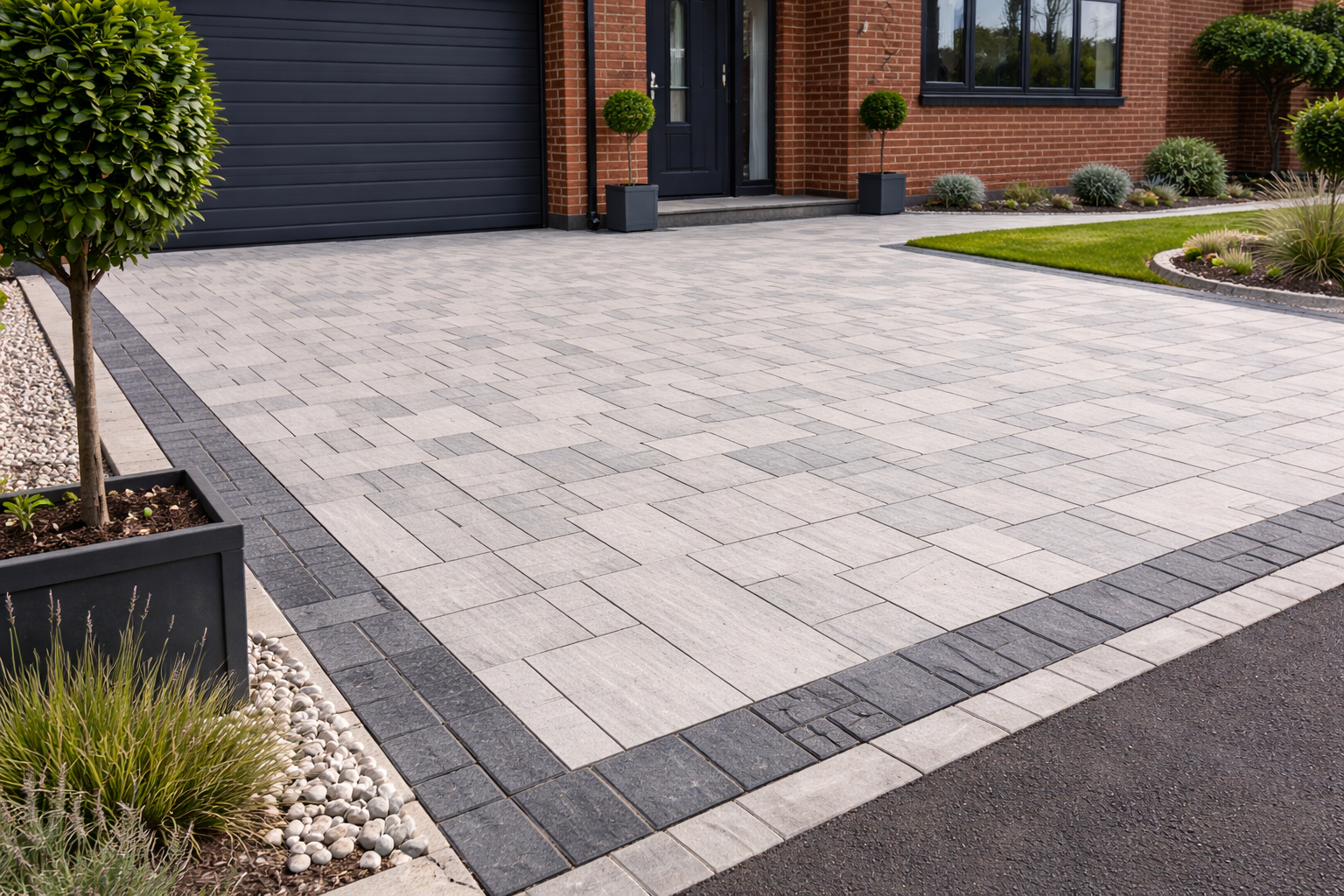
Many homeowners see a driveway as a simple surface. If it looks neat and supports a vehicle, it feels fit for purpose. In reality, poor driveway design is one of the most expensive mistakes a homeowner can make. The problems rarely appear straight away. Instead, they emerge gradually through structural failure, ongoing repairs, drainage issues and reduced property value.
A driveway is not just a finished surface. It is a layered system that must manage weight, water, weather and access every day. When these fundamentals are overlooked, the costs become unavoidable.
1. Drainage Problems
Inadequate drainage is one of the most common and damaging consequences of poor driveway design. When water is not directed away correctly, it sits on the surface or runs toward the property. Over time, moisture penetrates joints and weakens the sub-base beneath.
During colder months, trapped water expands and contracts, causing cracks and surface movement. In more severe cases, poor drainage can contribute to damp issues near foundations or thresholds. Rectifying drainage after installation often requires lifting sections of the driveway, making it far more expensive than addressing the issue during the design stage.
2. Weak Foundations
The performance of a driveway depends almost entirely on what lies beneath it. Poor excavation depth, incorrect sub-base materials, or insufficient compaction all lead to structural weakness.
At first, the driveway may appear stable. As vehicles use the surface repeatedly, weight exposes these flaws. The result is sinking, rutting and cracking, particularly in high-stress areas such as turning points or wheel tracks. These failures are not cosmetic. They usually require full reconstruction rather than simple repairs, adding significant long-term cost.
3. Incorrect Levels
Driveway levels must be carefully calculated to ensure safe access and effective water management. Poor driveway design often results in surfaces that slope the wrong way, create trip hazards or allow water to flow toward the house.
Even small level errors can cause daily inconvenience. Doors may catch, steps feel awkward and transitions become uncomfortable. Over time, these issues affect usability and safety. Correcting levels after installation almost always involves removing and rebuilding the surface, increasing disruption and expense.
4. Material Misuse
Selecting materials based on price rather than suitability leads to long-term maintenance issues. Some driveway surfaces look appealing when new but perform poorly under regular vehicle use or in local weather conditions.
Low-quality block paving may fade, shift or become uneven. Poorly specified tarmac can soften, crack or stain. Inappropriate gravel installations often migrate and require constant topping up. These ongoing issues increase maintenance costs and reduce the lifespan of the driveway.
5. Visual Impact
A driveway plays a major role in kerb appeal. Poor design choices, visible deterioration or awkward layouts can undermine the appearance of an otherwise well-maintained property.
Potential buyers often notice the driveway first. Cracks, standing water and uneven surfaces suggest neglect and future expense. This can negatively affect property value and buyer confidence. A well-designed driveway, by contrast, enhances first impressions and supports long-term value.
6. Compliance Issues
Another hidden cost comes from ignoring planning and drainage regulations. Poor driveway design may fail to account for permeable surface requirements or correct water management.
Non-compliant driveways can result in enforcement action or the need for costly alterations. Retrofitting compliance measures is almost always more expensive than designing correctly from the outset.
7. Long-Term Costs
Good driveway design considers structure, drainage, materials and access from the beginning. It anticipates how the surface will perform over many years, not just how it looks on completion day.
A properly designed driveway requires less maintenance, performs reliably in all weather conditions and lasts significantly longer. While the initial investment may be higher, the long-term cost is considerably lower.
Final Thoughts
The true cost of a driveway is not the installation price alone. It is the cost of repairs, maintenance, inconvenience and lost value over time. Poor driveway design hides these costs until they become unavoidable.
Investing in proper design from the start protects your home, your finances and your peace of mind. A driveway built on sound principles will continue to perform long after cheaper alternatives have failed.
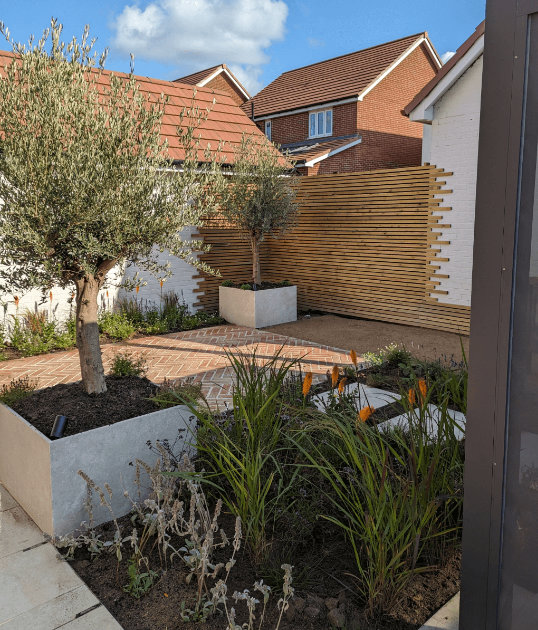

 Why Plant Placement Matters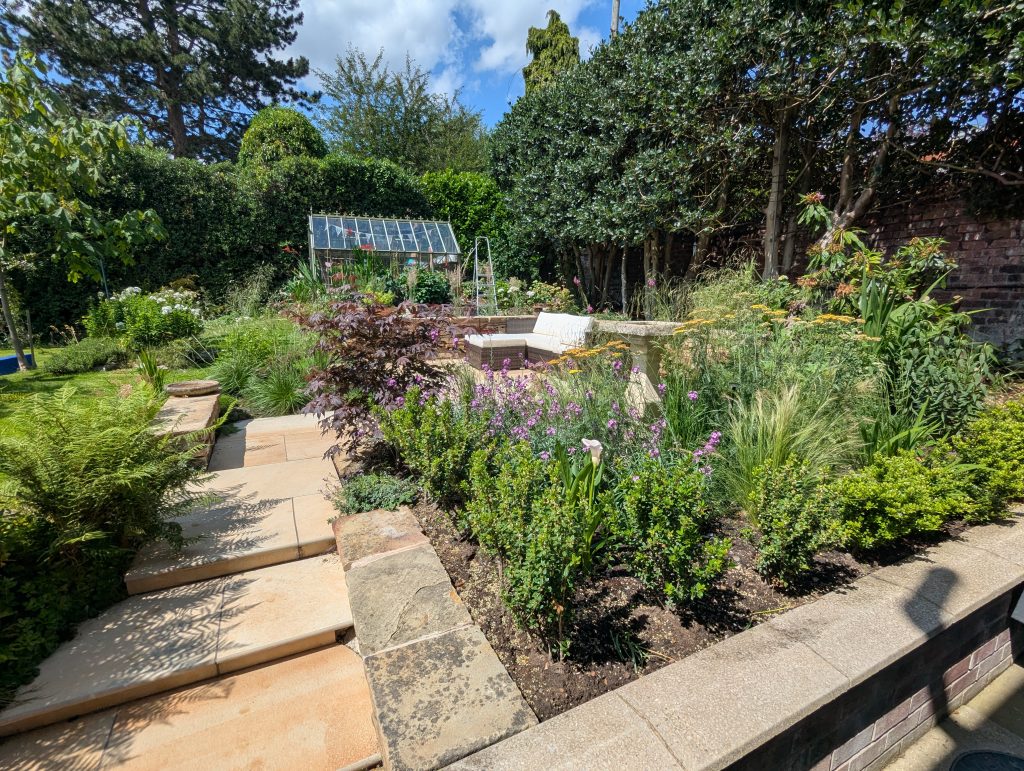


 Before exploring the benefits, it’s important to understand what makes a landscaper award-winning in the first place. Awards aren’t handed out for good marketing — they represent measurable quality and excellence judged by respected industry bodies. It requires: