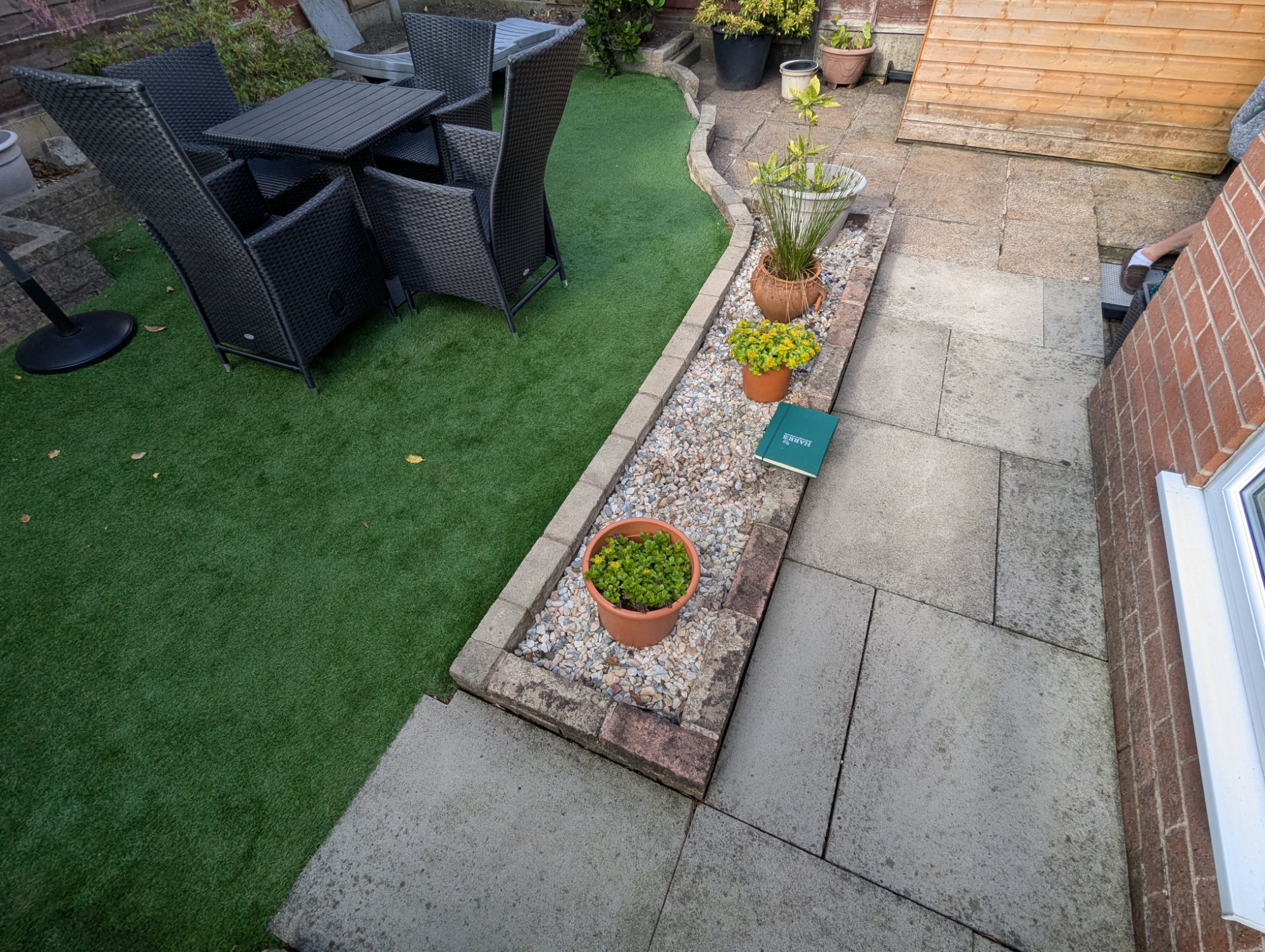
One of the biggest misconceptions homeowners have is that a small garden limits what’s possible. In reality, some of the most elegant and luxurious gardens are compact. The difference lies not in size, but in design quality. Poorly planned small gardens often feel cramped, cluttered, and impractical, while professionally designed spaces can feel calm, expansive, and refined.
At Harris Garden Design, we regularly work with compact outdoor spaces and see first-hand how thoughtful design transforms them. With the right layout, materials, and planting strategy, a small garden can feel like a seamless extension of the home rather than an afterthought.
1. Designing for perception
Luxury in small garden design is about perception. The way a space feels is far more important than its actual measurements. When a garden is overcrowded with features or poorly organised, the eye stops short, making the space feel tight and uncomfortable. By contrast, a well-composed garden encourages the eye to travel naturally, creating a sense of openness.
A key principle is restraint. Rather than trying to fit everything into a limited footprint, successful small garden design focuses on clarity and purpose. Each element should earn its place. Open space is not wasted space; it is what allows the garden to breathe and feel balanced.
2. Simplifying the layout
In small gardens, complex layouts work against you. Multiple zones, competing shapes, and unnecessary changes in level often make a garden feel broken up and smaller than it really is. A more luxurious approach is to simplify the layout and allow one clear design language to dominate.
A single, well-defined area that can be used flexibly for dining, relaxing, or entertaining often works better than several cramped zones. Clean lines, consistent geometry, and uninterrupted surfaces help maintain visual flow. When the layout feels calm and intentional, the garden immediately appears larger and more refined.
3. Choosing materials that elevate the space
Material choice plays a major role in how spacious a small garden feels. Too many different finishes create visual clutter, which reduces the sense of scale. Limiting the palette to two or three complementary materials creates cohesion and a high-end look.
Large-format paving is particularly effective in compact spaces. Fewer joints mean fewer visual interruptions, allowing the surface to read as one continuous plane. Porcelain and natural stone are popular choices for this reason, offering durability as well as a clean, contemporary aesthetic.
Consistency is key. Repeating the same material across steps, seating, or edging reinforces the design and avoids the fragmented look that often makes small gardens feel busy.
4. Using planting to add structure and depth
Planting is often where small gardens go wrong. Overloading the space with too many plant varieties creates visual noise and makes the garden feel crowded. A more luxurious approach focuses on structure first and decoration second.
Using a limited selection of plants, repeated throughout the garden, creates rhythm and cohesion. Structural planting such as evergreen shrubs, pleached trees, or ornamental grasses provides year-round form and anchors the design. Softer planting can then be layered in to add seasonal interest without overwhelming the space.
Vertical planting is especially valuable in small gardens. Drawing the eye upward through climbers, trained trees, or tall planting beds adds depth and makes the garden feel taller and more expansive.
5. Creating the illusion of depth
Depth is one of the most powerful tools in small garden design. Even in a short garden, careful layering can create the impression of distance. This is achieved by arranging elements in a visual sequence, with lower planting or open space in the foreground, medium-height features in the middle, and taller planting or structures at the boundary.
Boundaries should be treated with care. Busy fences or multiple finishes draw attention to the garden’s limits. A single, consistent boundary treatment, softened with planting, allows the edges to recede visually. Darker tones are particularly effective, as they make boundaries less prominent and enhance the sense of space.
6. Selecting furniture and features with intention
In compact gardens, furniture and features must be chosen carefully. Oversized or poorly proportioned items quickly dominate the space and disrupt balance. Built-in elements such as seating or planters often work better than freestanding furniture, as they feel bespoke and reduce clutter.
Luxury is achieved through intention rather than quantity. One well-chosen feature, such as a subtle water element or a statement planting area, creates focus without overwhelming the garden. Everything else should support this focal point, not compete with it.
7. The role of lighting in small garden luxury
Lighting has a transformative effect on small gardens, yet it is frequently overlooked. Thoughtful lighting design extends the usability of the space into the evening and adds depth after dark. Low-level lighting, gentle uplighting, and concealed light sources create atmosphere without harsh glare.
By highlighting vertical elements and textures, lighting reinforces the illusion of space and enhances the garden’s overall sense of luxury. The aim is subtlety rather than brightness, allowing the garden to feel inviting and sophisticated.
Luxury Is a Design Choice
A small garden does not need to feel restrictive. With the right design approach, it can feel spacious, elegant, and genuinely luxurious. The key lies in simplicity, proportion, and thoughtful detailing. Every decision, from layout to planting to materials, should serve a clear purpose.
When designed properly, a compact garden can offer more impact and enjoyment than a larger, poorly planned space. Luxury is not about how much you include, but how well each element is considered and executed.
Ready to Transform Your Small Garden?
A small garden has the potential to be one of the most beautiful and valuable spaces in your home — when it’s designed properly.
If your garden feels cramped, underused, or disconnected from your home, a professionally designed solution can change how you experience your outdoor space every day.
At Harris Garden Design, we specialise in creating bespoke garden designs that maximise space, enhance flow, and deliver a refined, luxurious finish — even in the most compact gardens.
Book a design consultation today and discover how your small garden can feel spacious, elegant, and effortless to maintain.