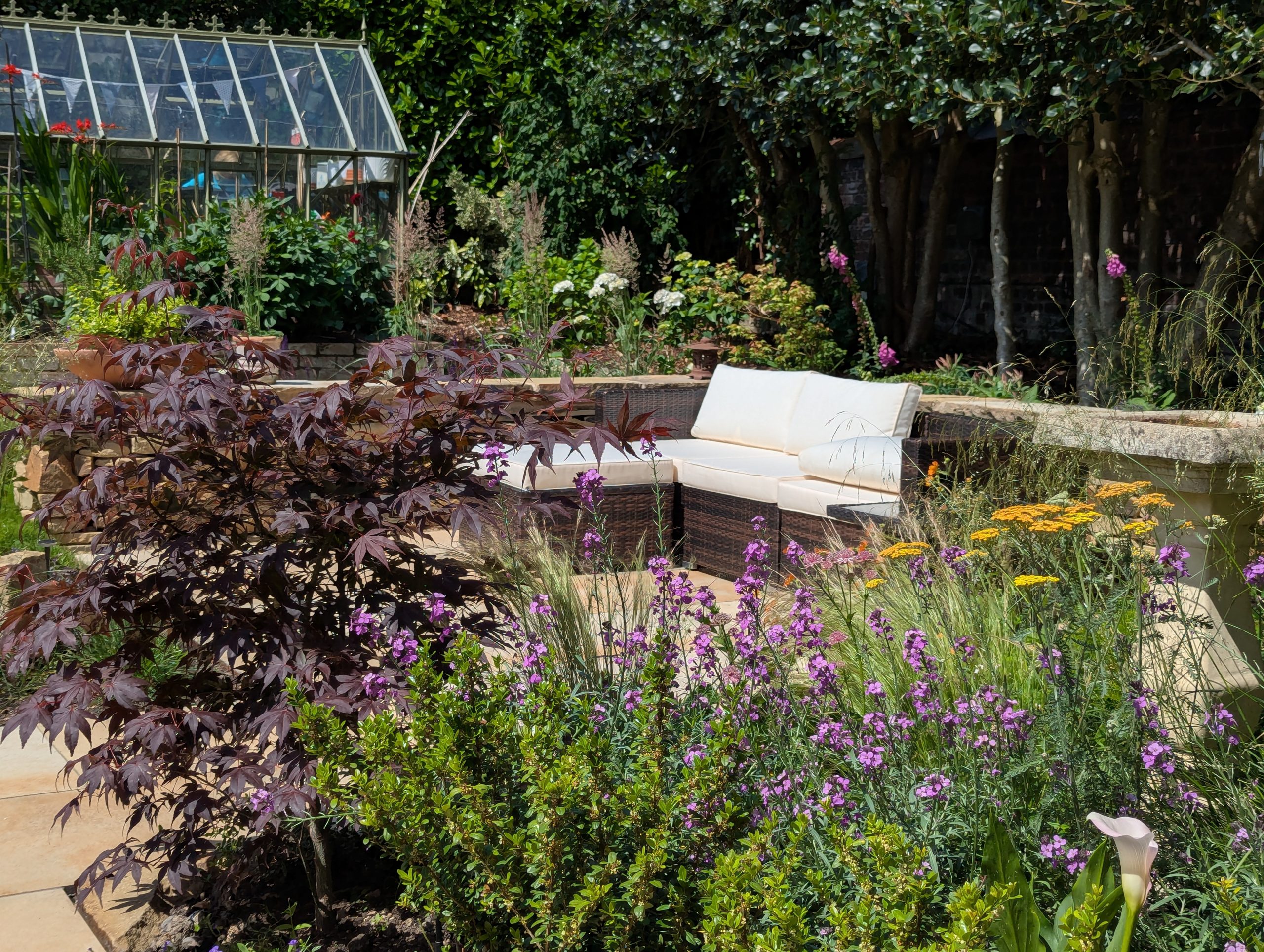
One of the most common and costly mistakes people make is choosing garden plants based solely on appearance rather than suitability. Beautiful plants can fail quickly if they are placed where they cannot thrive. When garden plants are matched perfectly to soil type, sunlight, moisture levels, exposure and microclimate, they thrive naturally. They require less intervention, grow more healthily, resist pests and diseases, and enhance the overall landscape with far less effort.
 Why Plant Placement Matters
Plants have natural preferences. Some garden plants love full sun and sharp drainage. Others only thrive in shade with moisture-retentive soil. When a plant is placed somewhere outside its natural preference, it becomes weak, stressed and far more likely to fail.
Common signs of incorrect placement include:
-
Yellowing or scorched leaves
-
Slow or stunted growth
-
Excessive water requirements
-
Repeated pest or disease problems
-
Plants that “survive” but never look their best
Many homeowners assume these issues reflect poor gardening skills. In reality, the problem usually lies in choosing unsuitable garden plants for the conditions.
Choosing the right plants is the foundation of every thriving garden. When plants are placed in environments that suit their natural habits, they become resilient, self-sustaining and far more rewarding to grow. Conversely, a plant placed in the wrong conditions will always struggle, no matter how much feeding, watering or care it receives. This is why the principle of “right plant, right place” is central to professional garden design. It prevents unnecessary loss, reduces maintenance, and allows the entire garden to function in harmony.
Understanding your garden’s unique environment is the first step. Every garden has different light levels, soil conditions and moisture patterns, often varying dramatically from one corner to another. A south-facing border may receive intense, direct sunlight for most of the day, making it ideal for drought-tolerant, sun-loving species. Meanwhile, a shaded, north-facing area may remain cool, damp and sheltered, favouring woodland plants that thrive in low light and moisture. When garden plants are placed according to these micro-conditions, they grow vigorously, flower reliably, and mature into beautiful, balanced compositions.
Soil also plays a significant part in plant performance. Clay soils retain moisture and nutrients well but can suffocate roots if drainage is poor. Sandy soils drain quickly but often struggle to hold nutrients, requiring organic matter to improve structure. Chalky soils are alkaline and favour only certain plant groups. Without understanding what lies beneath the surface, it is easy to choose garden plants that are incompatible with the soil, leading to poor growth, nutrient deficiencies or premature decline. Professionals always consider soil type before selecting any plant, ensuring long-term health and stability.
Moisture levels are equally important and often overlooked. A plant that thrives in dry, rocky conditions may rot quickly in a damp patch of the garden. On the other hand, moisture-loving species like hostas or astilbes will never perform well in hot, dry areas where they are continually stressed. Matching water requirements to the natural moisture conditions of each area ensures plants remain robust and low maintenance. It also prevents wasted effort and unnecessary watering, contributing to a more sustainable landscape overall.
The microclimate within your garden is another key factor. Walls, fences, hedges, neighbouring buildings and altitude can all influence temperature, wind exposure and frost risk. For example, a sheltered courtyard may create warm pockets ideal for Mediterranean or subtropical garden plants, while open, elevated gardens may experience strong winds that require hardy, wind-resistant planting. Understanding and working with these microclimates helps create planting schemes that are both visually striking and perfectly adapted to their surroundings.
When plants are chosen correctly, everything becomes easier. Borders look fuller, colours become richer, and the garden feels alive and effortless. Maintenance reduces significantly because plants are no longer fighting their environment; they are supported by it. This approach not only enhances aesthetic appeal but also strengthens the ecological value of the garden, supporting pollinators and wildlife that rely on healthy, thriving plant communities.
Ultimately, successful planting is not about forcing the garden to behave a certain way. It is about understanding what the garden already offers and selecting plants that naturally complement those conditions. When you work with nature rather than against it, the results are always more beautiful, more sustainable and far more rewarding in the long term.
What Working With Harris Garden and Landscaping Looks Like
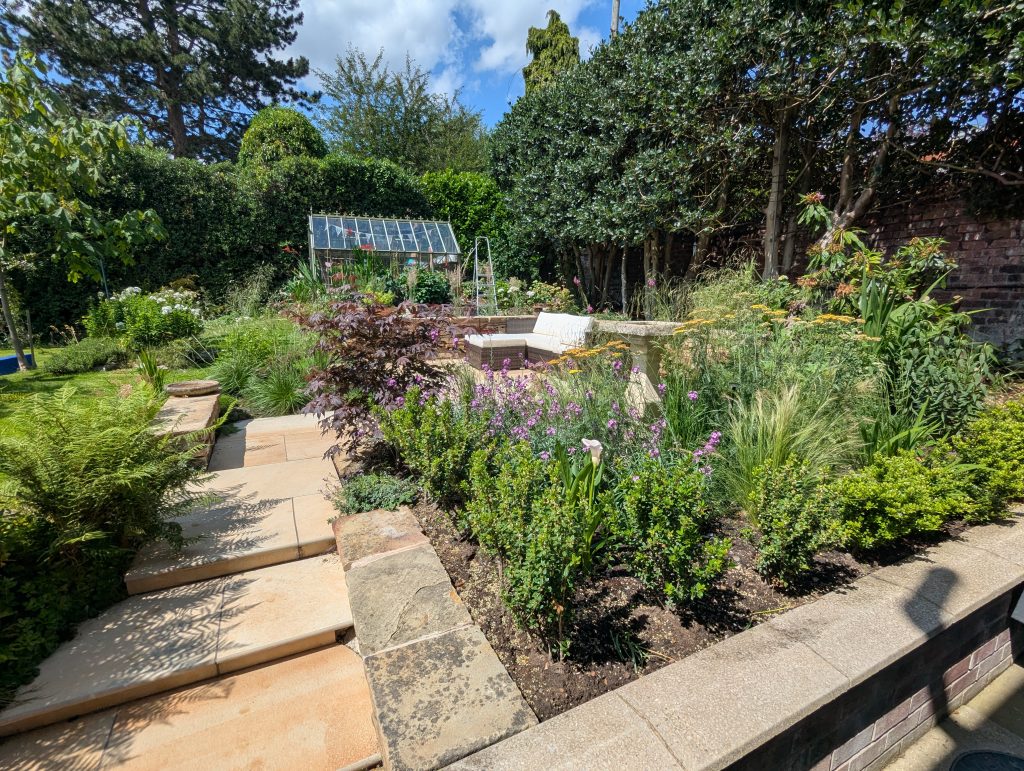
Achieving a garden that thrives effortlessly is not a matter of chance. It is the result of skilled horticultural assessment, precise planning and an understanding of how every element of a landscape interacts. This is where Harris Garden Design and Landscaping sets itself apart. Their approach combines technical expertise with deep horticultural insight, ensuring each planting decision is made with long-term success in mind.
Harris begins every project with a detailed site analysis. This includes assessing soil composition, drainage capacity, sun exposure, wind exposure, and microclimates created by existing structures or planting. Instead of relying on generic plant lists or trends, they tailor their selections to the specific conditions of the garden. This ensures that every plant is placed where it can flourish naturally, reducing the risk of failure and enhancing the garden’s overall health and longevity.
Their planting schemes are built on a foundation of structure, seasonality and ecological harmony. Harris Garden Design and Landscaping combines architectural evergreens, dependable perennials, textural grasses and seasonal accents to create layers of interest throughout the year. Each choice is intentional: evergreen shrubs provide form in winter, flowering perennials bring colour in summer, and groundcovers help stabilise the soil and suppress weeds. By carefully balancing plant types, Harris ensures the garden develops beautifully over time rather than becoming overcrowded, sparse or inconsistent.
Harris also places significant emphasis on sustainability and long-term performance. Their plant selections prioritise species that are resilient, low maintenance and suited to modern climate challenges. This means choosing drought-tolerant plants for sun-exposed areas, shade lovers for cool corners, and hardy varieties for gardens with strong winds or heavy rainfall. The result is a planting scheme that is not only visually compelling but also environmentally responsible and easy to maintain.
For clients, this level of horticultural precision translates into a garden that feels cohesive, functional and full of life. Plants thrive with minimal intervention, borders remain structured and colourful throughout the seasons, and the entire landscape matures into a space that feels natural yet expertly crafted. Harris Garden Design and Landscaping’s commitment to “right plant, right place” ensures that each garden they create offers long-term enjoyment, resilience and aesthetic value.
Conclusion
A thriving garden does not rely on constant watering, endless pruning or complicated maintenance. It flourishes because every plant is placed exactly where it can perform at its best. Understanding your garden’s environment and choosing garden plants that match those conditions is the most important step toward creating a landscape that is vibrant, healthy and low maintenance. If you want a garden that matures beautifully, evolves naturally and provides year-round interest, it starts with choosing the right plants for the right place.
Ready to Transform Your Garden?
If you want a planting scheme that thrives effortlessly, we can help.
Get in touch today for expert planting design and tailored guidance.